We will pick up you at your hotel around 8am.
From Hue to Quang Tri province we are going along the Route 9 and the Rockpike hill is our first stop. It was used by the US Marines to observe the surroundings and track North Vietnamese troops infiltrating into South Vietnamese through the DMZ in Viet Nam. Its relatively inaccessible location reached only by helicopter made it an important United States Army and US Marine Corps observation post and artillery base from 1966 to 1969.
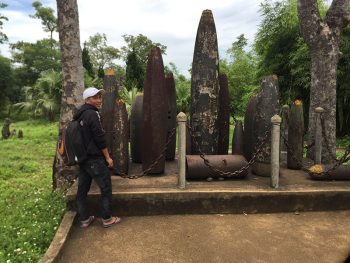
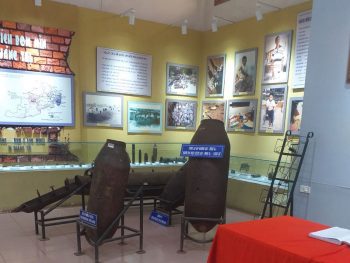
Keep driving on the way to Khe Sanh Marine base, we take a short stop at Dakrong Bridge, was truly an obsession of the Us Army in the Viet Nam war. One of the main access point to Ho Chi Minh Trails.
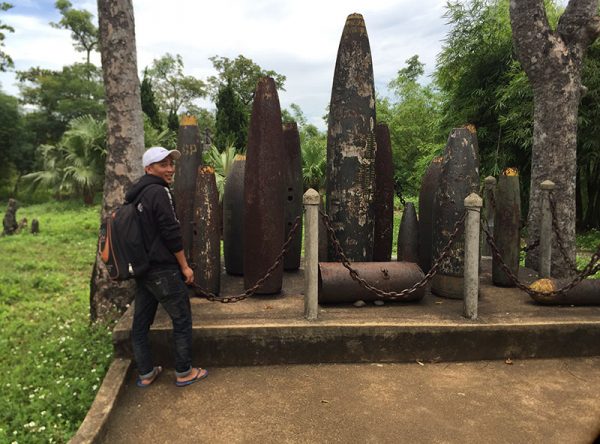
It suffered from the fierce bombing from Us airforces as well as frontal fight. Khe Sanh Combat Base will be our last stop this morning. It closes to the border with Laos, Khe Sanh used to be the combat base of US Marine Corps that witnessed more than 100.000 tons of bombs in the longest and deadliest fights in Viet Nam war.
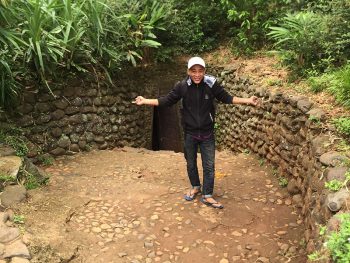
Even now we can not see the real deadly bombed battle or Ta Con airport as they were over 50 years ago. We still learn about the history, imagine what happened via the War photos, preserved old airship, American helicopters, a C130 transport and some North Vietnamese tanks.
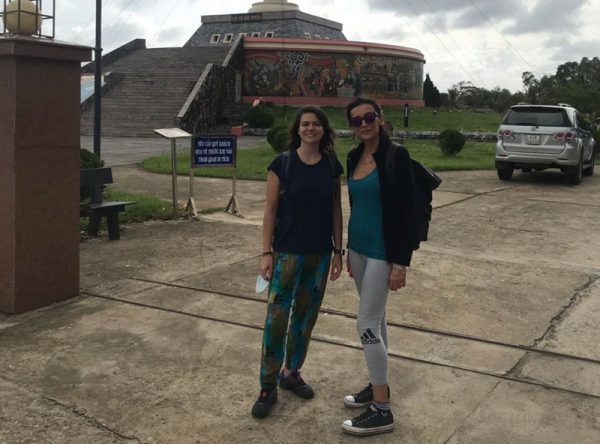
You also have time to get more feelings about the war when visiting Khe Sanh Victory Museum built on the site of the old camp area. Besides the museum, walking around the area, take a look at the reconstructed bunkers and the old runway which was used by the US Marine Force, some armored vehicles, tanks and airplanes.
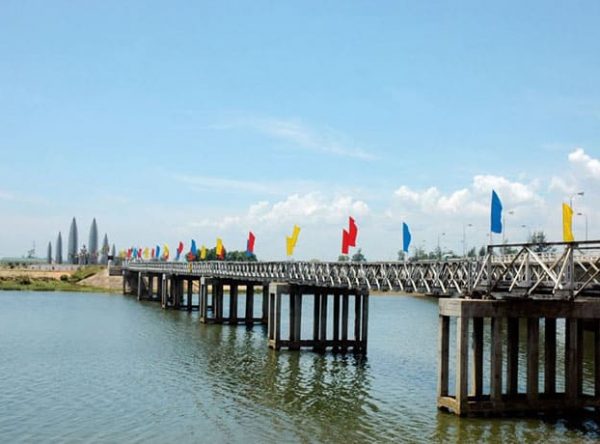
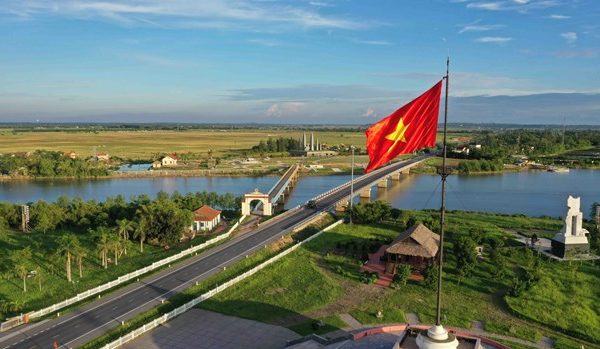
Around 1 PM, we drive back to Dong Ha city and enjoy lunch at local restaurant. Then we reach our next stop, Ben Hai River and Hien Luong Bridge which divided the North and the South in Viet Nam war and separated thousands of local families after the victory of Viet Nam in 1954 against France.
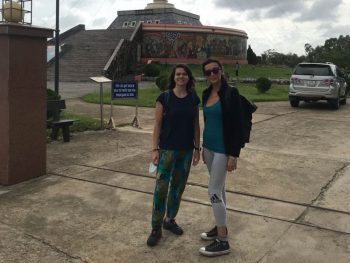
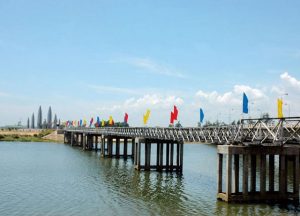
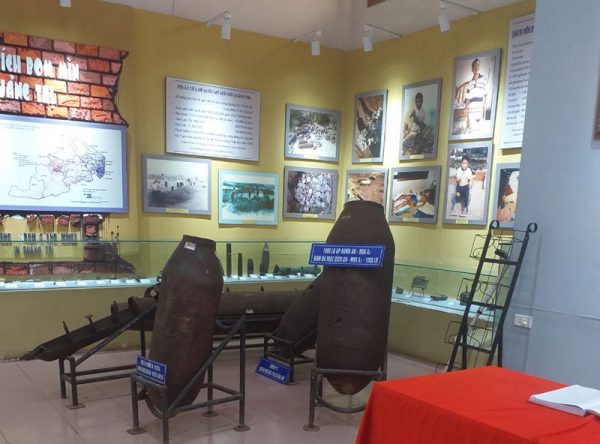
During Viet Nam war, Hien Luong Bridge witnessed the conflict between each side, ” symbol of the everlasting desire for peace “. Spending time at a small museum here to know more about the history and the importance of Hien Luong Bridge in the past. Vinh Moc tunnel is last destination on this DMZ tour.
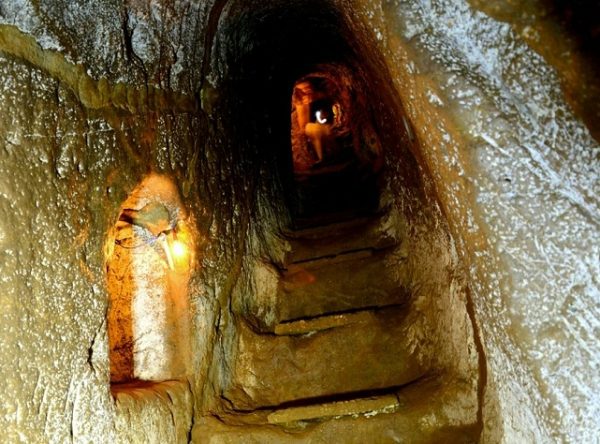
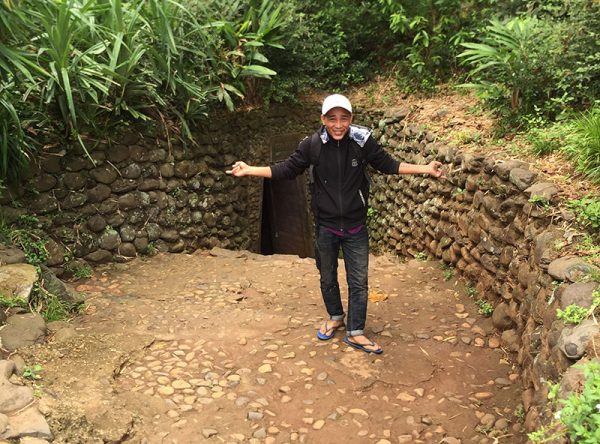
During the Vietnam War it was strategically located on the border of North Viet Nam and South Viet Nam. The tunnels were built to shelter people from the intense bombing from American in the Vietnamese Demilitarized Zone. It was constructed in several stages beginning 1966 and used until early 1972.
Including wells, kitchens, rooms for each family and spaces for healthcare. Around sixty families lived in the tunnels, as many as 17 children were born inside the tunnels. We return to Hue city around 6pm. Tour ends.